

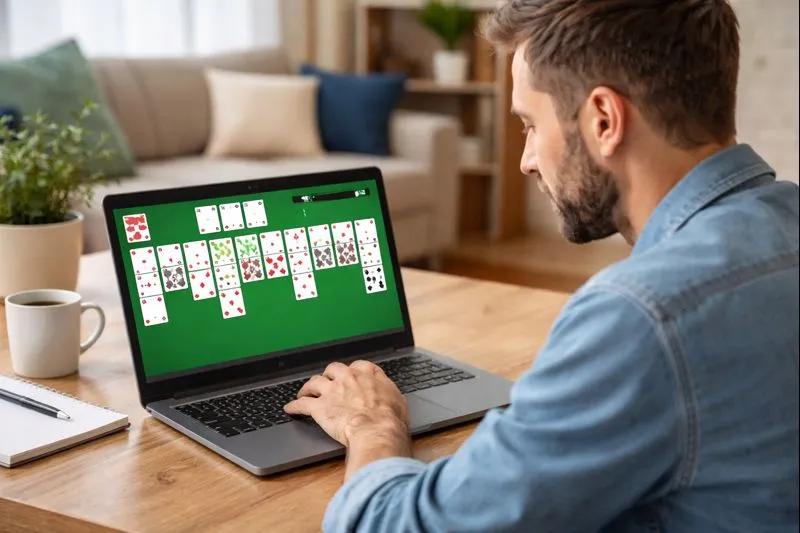
Master FreeCell by turning ‘unsolvable’ games into smart restarts and valuable learning moments.
When players say a FreeCell game is unsolvable, most of the time they simply mean they are stuck. That doesn’t automatically mean the deal itself is impossible. True unsolvable deals are rare. Much more often, a game becomes unsolvable because of earlier decisions that slowly damaged the board structure, with this the major question aride that is every game of freecell winnable.
An “unsolvable” game usually fits into one of these situations:
The deal is mathematically impossible
The deal was solvable, but mistakes made it impossible
The deal is solvable, but too complex to manage without help
Understanding this difference is important because it shifts your mindset from blaming the game to improving your strategy.
How Can You Tell a Game Is Heading Toward Unsolvable?
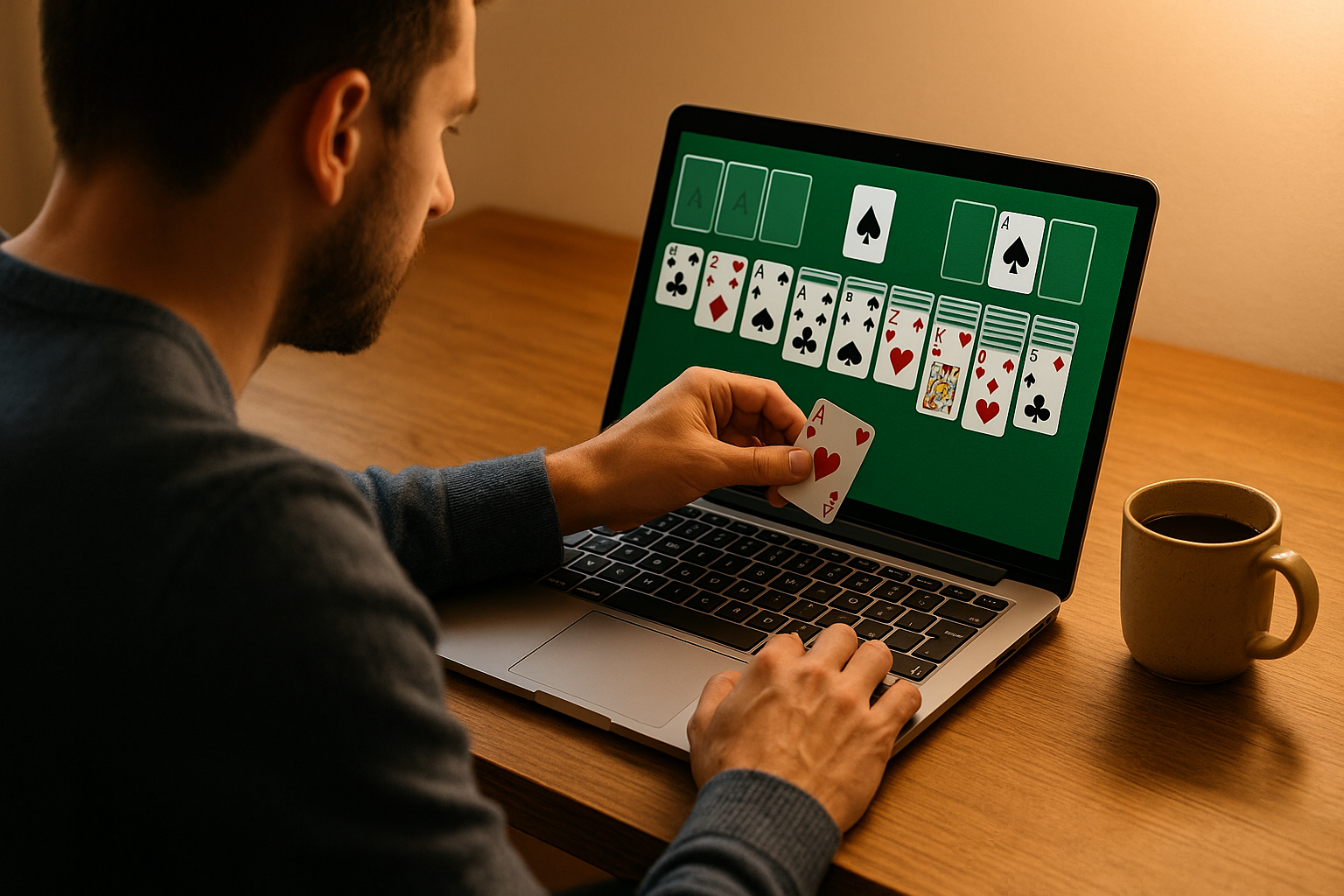
Some common danger signs are:
Aces or low cards are deeply trapped
Both cards of the same rank and color group are buried
All free cells are filled
No empty columns exist
Kings are stuck under smaller cards
When several of these appear together, the game is already in serious trouble.
Why Is Restarting Early Actually a Smart Move?
Restarting early saves time and frustration. If you play 20 or 30 moves and nothing important opens up, it’s usually a sign that the structure is already weak. No Aces have moved, space is disappearing, and every move feels forced.
Restarting Is a Skill, Not Quitting
Experienced players restart often. They don’t fight bad positions. They move on and use their energy on boards that have real potential. Restarting is a strategic choice, not a failure.
How Should You Really Use Free Cells?

Try to always keep at least one free cell empty. That single space can save an entire game. Use free cells only when you must, and clear them as soon as you can. Treat them like oxygen: precious and limited.
Why Are Aces and Low Cards So Important?
Aces are the engine of the game. When they move to the foundations, space opens up and everything becomes easier. If Aces stay buried, the game slowly suffocates.
Low cards like Twos, Threes, and Fours are almost as important. If you trap them under long stacks, foundation building stops and your movement options shrink. The simple rule is: if you can safely move an Ace or a low card to the foundation, do it, this rule also help you to learn how to play freecell.
How Does Space Control Decide Whether a Game Is Possible?
FreeCell is really a game about space management. Your ability to move cards depends on how much empty space you control. Free cells help, but empty columns help much more.
When you lose all empty columns and fill all free cells, your movement drops to almost zero. At that point, even a small problem becomes impossible to fix. Many games become “unsolvable” simply because space was mismanaged earlier.
Why Are Empty Columns Better Than Free Cells?
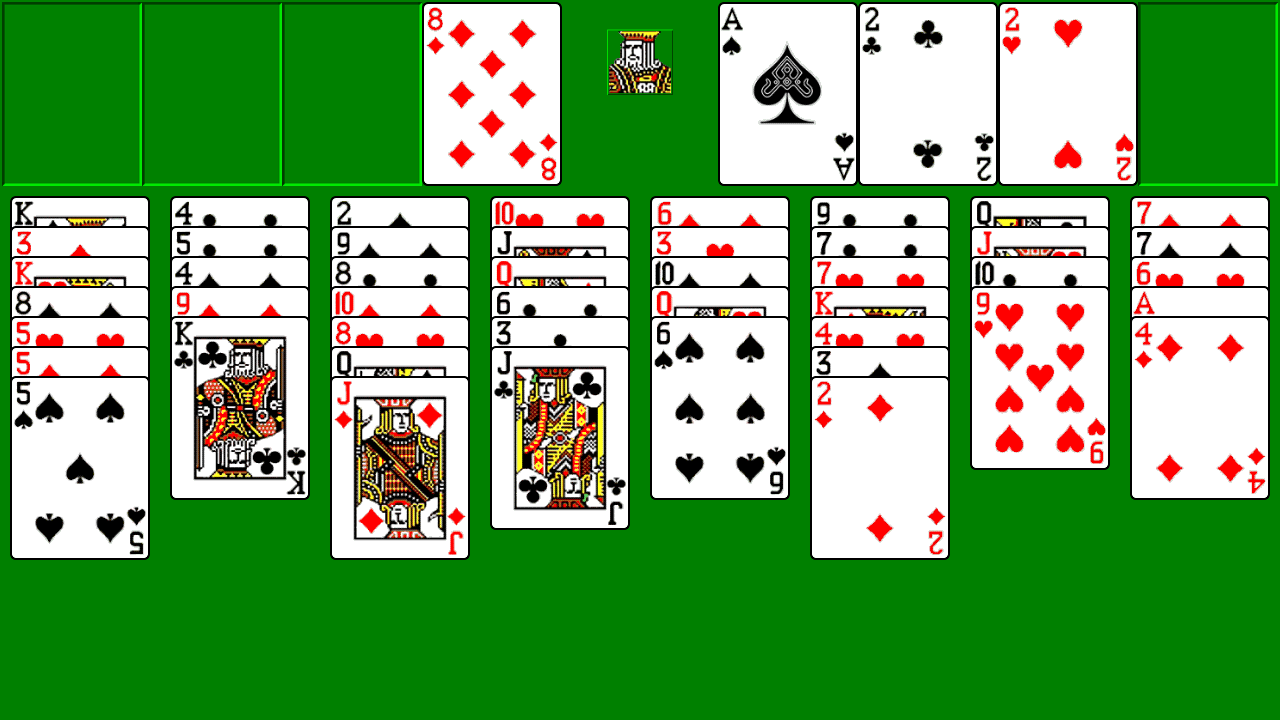
Choosing Between Space Options
If you have a choice between keeping a free cell open or creating an empty column, the empty column is usually the better option. It gives you long-term flexibility and makes future problems much easier to solve.
How Should You Build Your Columns?
Your columns should be clean, long, and built in descending order with alternating colors. This structure keeps your options open and prevents important cards from getting buried.
Bad column structure is one of the fastest ways to create unsolvable games. Same-color stacks, short broken chains, and careless placements slowly trap your movement. Strong structure early saves you from chaos later.
How Does Thinking Ahead Save You?
FreeCell strategy rewards players who think beyond the next move. Before you place a card, take a moment and imagine what happens after that.
Simple Questions to Ask Yourself
Will this bury a low card?
Will this reduce my free space?
Will this make an empty column harder to keep?
Even thinking two or three moves ahead can prevent most dead ends.
What Board Patterns Almost Always Mean Trouble?
Some patterns are especially dangerous. They signal that the game is losing flexibility fast. When both colors of the same rank are trapped, building sequences becomes extremely difficult. When Kings are buried under small cards, you lose the chance to create empty columns. When all free cells are full and no column is empty, movement nearly stops.
Seeing one of these patterns is a warning. Seeing two or more usually means you should undo or restart.
How Should You Use Undo?
Undo is a learning tool, not cheating. It lets you explore different paths and understand which move caused the board to collapse. Often, undoing just a few moves can completely change the outcome of a game. Over time, your instincts will improve and you’ll need undo less often.
When Should You Use a Solver?
A solver is useful when you honestly don’t know if a game is possible. It can confirm whether you’re dealing with a truly unsolvable deal or just a difficult position. It’s also a great way to learn what perfect play looks like. If a solver says there is no solution, you can move on without doubt.
What’s the Right Mindset for Unsolvable Games?
FreeCell is about calm thinking and patience. Getting frustrated only makes mistakes more likely. Treat unsolvable games as feedback, not punishment. They show you exactly where structure broke or space was wasted.
Strong players restart easily, experiment freely, and stay curious instead of angry.
Conclusion: Why Unsolvable Games Actually Make You Better
Unwinnable FreeCell games aren’t your enemy. They are your teachers. They show you where your space management failed, where you buried important cards, or where you rushed a move. Every dead end carries a lesson.
When you learn to respect empty columns, protect low cards, use free cells carefully, and restart without guilt, FreeCell becomes a game of control instead of frustration. Most games will feel solvable, and the truly impossible ones won’t bother you anymore. They will simply be part of what makes the game challenging and rewarding.